
At Swink Chiropractic Wellness, we look past the spine alone. Reflex analysis, nervous-system feedback testing, and clinical tracking software work together to reveal how your body's chemistry and structure influence each other — so your care plan addresses both.
Two systems, one patient.
Our chiropractic treatments are designed to optimize nerve function, improve spinal alignment, and support overall physical health. By focusing on the nervous system, we aim to reduce disruptions that can contribute to pain, discomfort, and a range of health concerns.
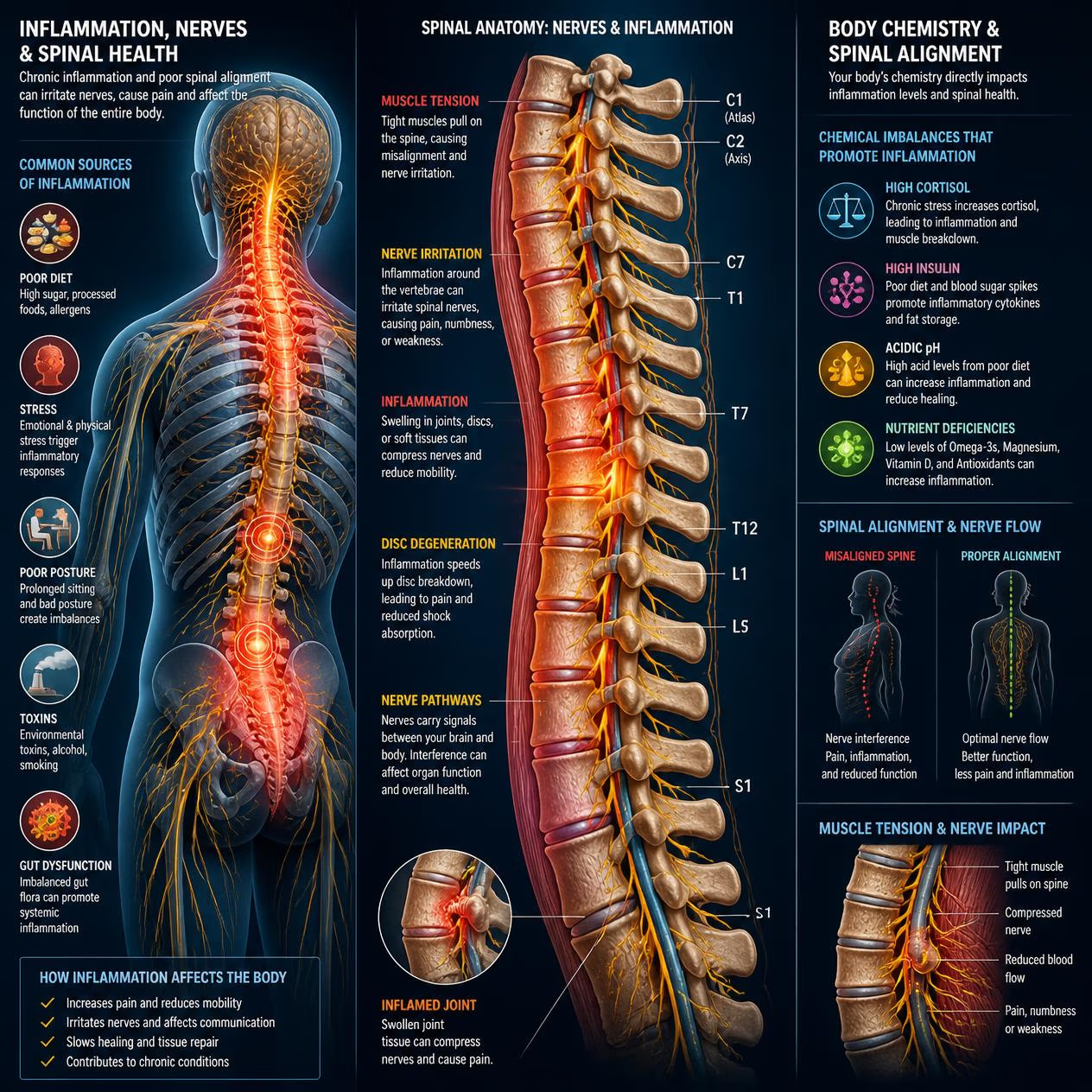
But adjustments alone don't always tell the whole story. The underlying cause of a recurring subluxation often lies in imbalances within the body's own chemistry — imbalances that can show up as inflammation, muscle tension, and nerve interference, feeding the very pattern we're trying to correct.
Just as an engine needs the right balance of fuel and air to run well, your body needs a working balance of nutrients, hormones, and neurotransmitters — alongside a well-aligned spine.

Using gentle manual contact on specific reflex points called Contact Reflex Analysis (CRA), Dr. Ryan Swink reads muscle-response feedback that can point toward stress on a given organ or system — similar in concept to how an acupuncture point maps to a broader pathway. From there, Nutrition Response Testing (NRT) engages specific whole food formulas that are tested directly against that stressed reflex to see which one restores a stronger response.
In practice, the two run as a single hands-on exam — CRA locates where the body is showing stress, and NRT immediately confirms which whole food formula answers it — rather than two separate appointments. Neither is a diagnostic test; together they're a screening process that directs your nutritional support to where your body is actually asking for it. We are not diagnosing or treating any disease. Merely finding the stress and supporting the body to function better.
Every finding is logged in our clinical tracking software, building a visit-over-visit record of which reflexes have resolved, which are still active, and how your formula recommendations have changed. It turns a single hands-on exam into a longitudinal picture of your progress.

Adjustments hold better when the chemistry cooperates. Subluxations don't always originate in the joint. When body chemistry is out of balance, the downstream effects — inflammation, tight muscle tone, nerve interference — can pull a well-adjusted spine right back out of place.
Addressing the chemistry is often what makes an adjustment last.
Inflammation: Elevated inflammatory load can keep surrounding tissue guarded and reactive around a joint.
Muscle Tension: Chronic tightness pulls on the structures we've just aligned, undoing progress between visits.
Nerve Interference: Chemical imbalance can disrupt the very nerve signaling chiropractic care is working to restore.
Whole food concentrates, not isolated nutrients.
To complement a healthy diet, Dr. Swink recommends Whole Food Concentrates from Standard Process. Since 1929, Standard Process has developed whole food supplements derived from real foods — offering a broad range of bioavailable nutrients that work together to support your body's own chemistry.
Unlike isolated nutrients, which can work against the body's natural processes in high doses, whole food concentrates are designed to support your body's innate functions, delivering nutrients in a form closer to how they occur in food itself. Think of them less as another pill, and more like adding a diverse, nutrient-dense food to your plate.